By Cody Lacour
March 23, 2026
Understanding the technological evolution in the auto tinting industry has never been more crucial. The emergence of smart glass technology is revolutionizing how consumers view traditional and modern car tinting options. This article explores why these advances are significant and what they mean for tinting enthusiasts and the broader automotive market. As smart glass becomes more commonplace, it challenges conventional ideas about privacy and energy efficiency in automotive applications.
What Is Smart Glass and How Does It Affect Auto Tinting?
1.1 The Basics of Smart Glass Technology
Smart glass is an advanced material that changes its light transmission properties when voltage, light, or heat is applied. This dynamic adjustment allows users to control the amount of light and heat that passes through car windows. Unlike traditional auto tinting, smart glass can offer versatility in shading and transparency on demand. The technology behind smart glass involves multiple layers of specialized coatings, creating a responsive surface that adapts to environmental changes.
1.2 Smart Glass Versus Traditional Tint
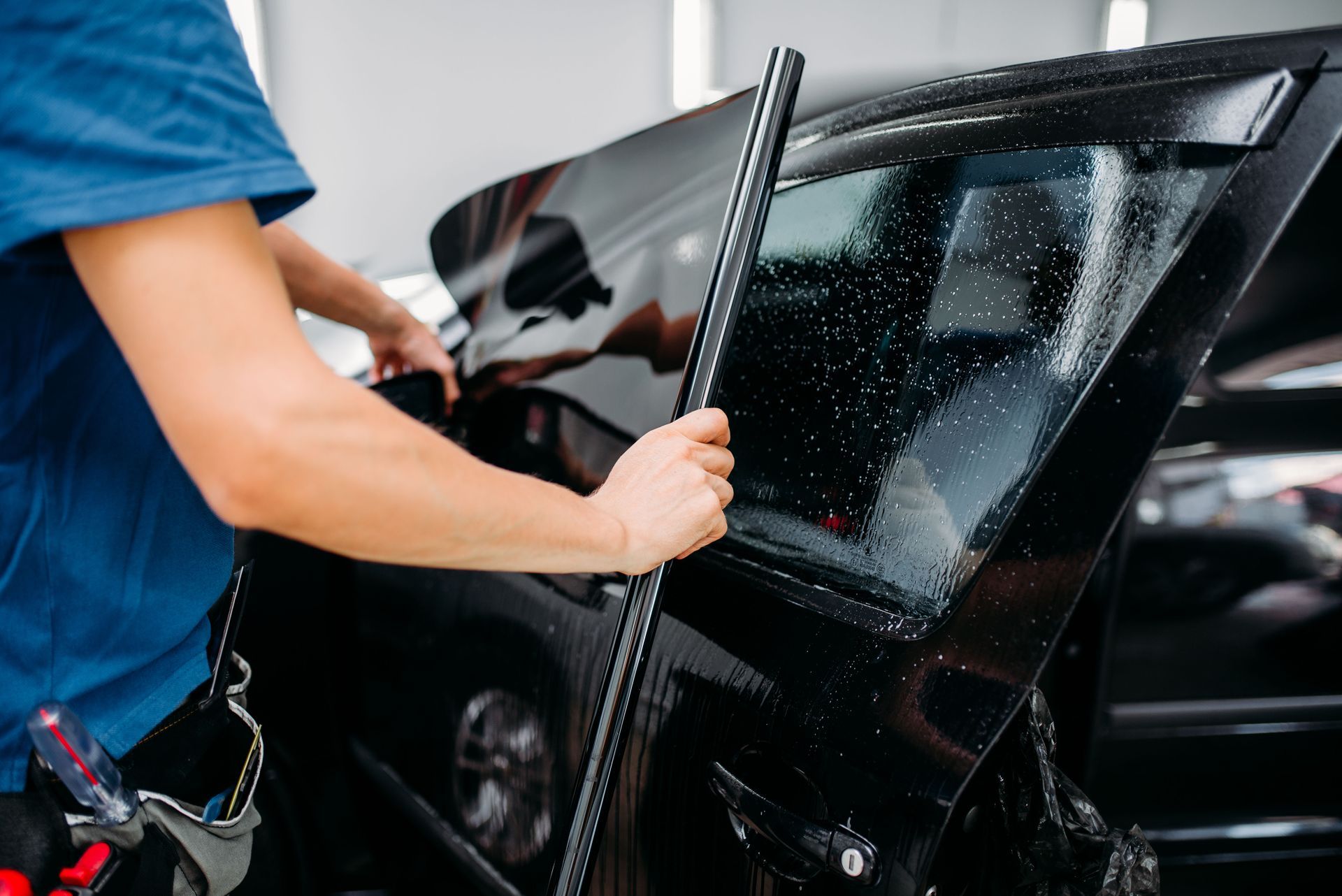
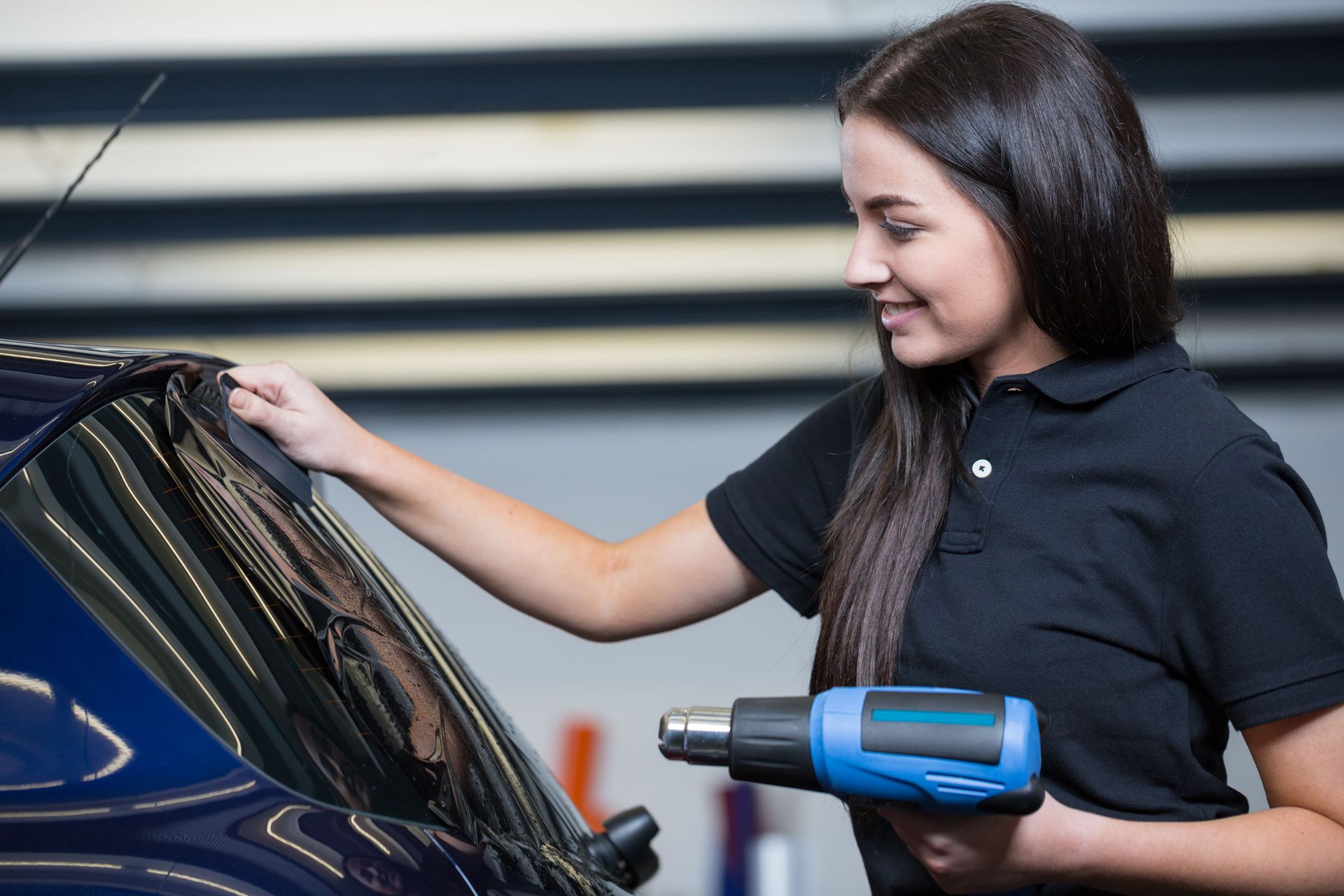
Traditional auto tinting involves applying film to windows that have a fixed opacity level. While effective in providing privacy and reducing UV exposure, these films are static and lack adaptability. Smart glass, on the other hand, allows for variable tinting based on real-time conditions and user preferences. This difference offers a significant advantage as smart glass can adjust to the user’s needs, enhancing comfort and visibility without manual intervention.
1.3 How Smart Glass Enhancements Impact Tinting Efficacy
The enhancements seen in smart glass technology include rapid adaptation to environmental factors, which traditional auto tinting cannot match. By dynamically reacting to sunlight exposure, smart glass optimizes the internal climate of an automobile. This is particularly beneficial in fluctuating weather conditions, where smart glass can maintain a consistent interior temperature, reducing the need for air conditioning. According to Mordor Intelligence, smart glass in automotive applications is projected to grow at a 12.8% CAGR between 2025 and 2030, highlighting its increasing efficacy and demand.
1.4 Potential Benefits for Auto Tinting Customers
Smart glass provides several potential benefits for customers, including improved energy efficiency and cabin comfort. The ability to adjust opacity can lead to enhanced privacy, reducing the risk of theft and increasing personal security. Additionally, the environmental control afforded by smart glass may lead to reduced energy consumption and greenhouse gas emissions as vehicular air conditioning usage decreases. Customizable aesthetics also allow consumers to tailor the look of their vehicles to personal preferences, setting new standards in automotive design.
Are There Cost Implications With Smart Glass?
2.1 Comparing Costs with Conventional Tinting
While the initial investment in smart glass can be higher than traditional tinting, the long-term savings often justify the upfront costs. Consumers might consider the premium price of smart glass as an investment in technology that offers superior performance over time. Traditional tint films can degrade and require replacement, whereas smart glass systems are more durable and have a longer life span. Over time, the reduction in energy costs and maintenance expenses can offset the initial financial outlay.
2.2 The Economic Life-Cycle of Smart Glass
The economic life-cycle of smart glass surpasses that of conventional tints when considering durability and efficiency. The technology needs minimal maintenance as it lacks the peel or bubble issues seen with traditional films. Smart glass represents a sustainable investment, not only in terms of materials but also in its impact on vehicle fuel efficiency by aiding temperature control. Financially, this lifecycle approach reinforces smart glass as a cost-effective asset in the long run, outweighing the initial high cost.
2.3 Value Proposition for Customers
Smart glass provides an attractive value proposition by integrating novel technology into everyday auto tinting applications. Despite higher initial costs, the benefits such as dynamic light modulation and energy savings enhance its overall value. This advanced control optimizes the driving experience while potentially increasing the resale value of the car due to the technology’s growing appeal. As more vehicles adopt smart glass, consumers will find the cost justified by the comprehensive benefits provided.
2.4 Financing and Investment Considerations
Smart glass integration can be viewed as a long-term investment, with financing options available that make it accessible to more consumers. Considering the cost structure, individuals should weigh their financing options, such as leasing with technology packages included. The ongoing growth and innovation in smart glass present an inviting opportunity for investors looking at the automotive sector. As the market continues to evolve, with increasing proliferation of smart glass technology, financial mechanisms are likely to become more competitive and customer-friendly.
How Does Smart Glass Perform in Different Climates?
3.1 Adaptive Features of Smart Glass in Varying Climates
Smart glass is engineered to seamlessly adapt to different climatic conditions, making it highly versatile. Its ability to block harmful UV rays while adjusting to light conditions can greatly enhance comfort levels inside the car. In colder climates, smart glass can help retain heat, acting as an insulative barrier. Conversely, in hotter environments, its ability to reduce solar heat gain promotes a cooler vehicle interior without over-reliance on air conditioning.
3.2 Temperature Regulation Efficiency
Effective temperature regulation is a hallmark of smart glass, creating an optimal environment in various climatic zones. By modifying its tint dynamically, smart glass helps maintain a balanced cabin temperature regardless of external weather conditions. This reduces the load on automotive climate control systems, contributing to fuel efficiency and lower emissions. Smart glass technology thus acts as a pivotal component in promoting sustainable and energy-efficient car travel.
3.3 Seasonality and Auto Tinting Adjustments
The changing seasons can challenge traditional auto tinting, which remains static regardless of the time of year. Smart glass, however, offers year-round performance, adjusting its properties to meet seasonal demands, such as providing more shading in summer and increasing transparency in winter. This flexibility makes smart glass a comprehensive solution for drivers seeking comfort and effectiveness throughout the year. It also reinforces the idea that smart glass is more of an adaptive technology rather than a fixed product like conventional tints.
3.4 Real-Life Performance in Extreme Weather Conditions
Real-world tests have shown that smart glass performs exceptionally in extreme weather conditions, retaining its functional integrity. In icy conditions, it reduces heat loss, and in intense sun, it prevents overheating, proving its versatility across environments. The technology's ability to withstand varying stresses without degradation showcases its resilience. Smart glass thus emerges as a preferred choice for drivers facing extreme conditions on a regular basis.
Smart glass technology is undoubtedly transforming the landscape of auto tinting, offering an array of benefits and considerations that were previously unavailable with traditional tinting solutions. As this technology continues to develop, auto tinting customers will arguably find more value, efficiency, and customization from these cutting-edge innovations. The projected growth in smart glass usage demonstrates an undeniable trend towards integrated, intelligent solutions for automotive performance and aesthetics. As implementation expands, consumers can expect to experience enhanced driving conditions, reduced environmental impact, and improved vehicle longevity. This will grant you more safety and increased comfort in the long run. Auto tinting can help in a few different ways, and smart glass technology is only a part of that. Reach out to Mobile Glass Pros today to see how we can help with any of your needs!