By Cody Lacour
November 16, 2026
Automotive engineering constantly introduces futuristic concepts, yet classic laminated and tempered glazing continues to dominate the road with unmatched authority. Modern motorists often assume newer synthetic compositions or experimental smart composites naturally render legacy components obsolete, but real-world performance tells a markedly different story. Vehicle manufacturers, professional mechanics, and budget-conscious vehicle owners consistently favor time-tested silica formulations because they deliver unyielding structural protection, economic viability, and straightforward maintenance protocols.
Outperforming Fragile Next-Gen Alternatives in Rugged Environments
The historical resilience of classic vehicle glazing anchors its widespread acceptance across every major automotive sector. Standard vehicle glazing features specialized interlayer bonding techniques perfected over generations to absorb substantial kinetic impacts without catastrophic failure or sudden optical distortion. According to Mordor Intelligence, conventional glazing commanded an overwhelming 82.05% share of the global automotive glass sector during 2025. This commanding presence demonstrates how firmly drivers and vehicle designers trust standard formulations over unproven lightweight polymers that often scratch, warp, or haze when exposed to intense UV rays.
Environmental resilience remains a major benchmark where legacy automotive glass thoroughly outperforms modern synthetic substitutes when it comes to auto glass replacements and other services. Highway driving exposes windshields and side panels to relentless assaults from gravel, extreme thermal swings, and corrosive road chemicals. Classic laminated panels easily maintain tensile stability across scorching summer heatwaves and sub-zero winter blasts without developing micro-fissures or cloudy surfaces. Synthetic substitutes frequently require delicate protective coatings that break down under everyday environmental stress, whereas standard mineral glazing provides natural resistance against atmospheric degradation.
Superior scratch resistance further cements the operational advantages of traditional safety panels during long-term highway operation. Advanced polymers often promise minor vehicle mass reductions, but they remain notoriously vulnerable to surface abrasions caused by everyday dust, sand, and mechanical wiper blades. When fine abrasive dust particles scrape across experimental surfaces, the resulting haze compromises visibility and drastically accelerates the urgency for unplanned auto glass replacements. Standard soda-lime silicate compositions resist friction far better, ensuring drivers enjoy clear road views without worrying about premature surface degradation.
Exceeding Stringent Automotive Safety Regulations and Impact Mandates
Safety engineering requires total dependability under violent collision conditions, and conventional vehicle glass meets every international safety threshold with ease. Tempered side windows disintegrate into harmless blunt granules during collisions, effectively reducing sharp laceration hazards for vehicle occupants. Laminated front windshields absorb crash forces while remaining intact, which helps support passenger compartment roof integrity during severe rollover accidents. These established physical behavior profiles give automotive structural engineers complete confidence when designing protective passenger cages.
Meeting regulatory mandates involves rigorous government validation procedures that many experimental automotive polymers have yet to pass universally. Established regulatory frameworks worldwide maintain extensive safety databases verifying that mineral safety glazing consistently retains structural rigidity across decades of use. Insurers and safety agencies trust this verified performance profile, whereas novel synthetics face intense scrutiny regarding chemical leaching, fire resistance, and optical clarity degradation over time. Choosing proven materials prevents vehicle manufacturers from navigating complex compliance hurdles or facing costly vehicle safety recalls.
Streamlining Professional Service Procedures and Mechanical Workflows
The universal accessibility of conventional replacement inventory guarantees that drivers spend minimal time dealing with vehicle downtime. Specialized distribution networks maintain extensive inventories across regional warehouses, ensuring vehicle owners obtain rapid repairs regardless of location. In contrast, proprietary synthetic panels often face extensive delivery delays due to limited production runs and fractured supply chains. When sudden road damage demands prompt auto glass replacements, the sheer ubiquity of standard components guarantees swift resolution.
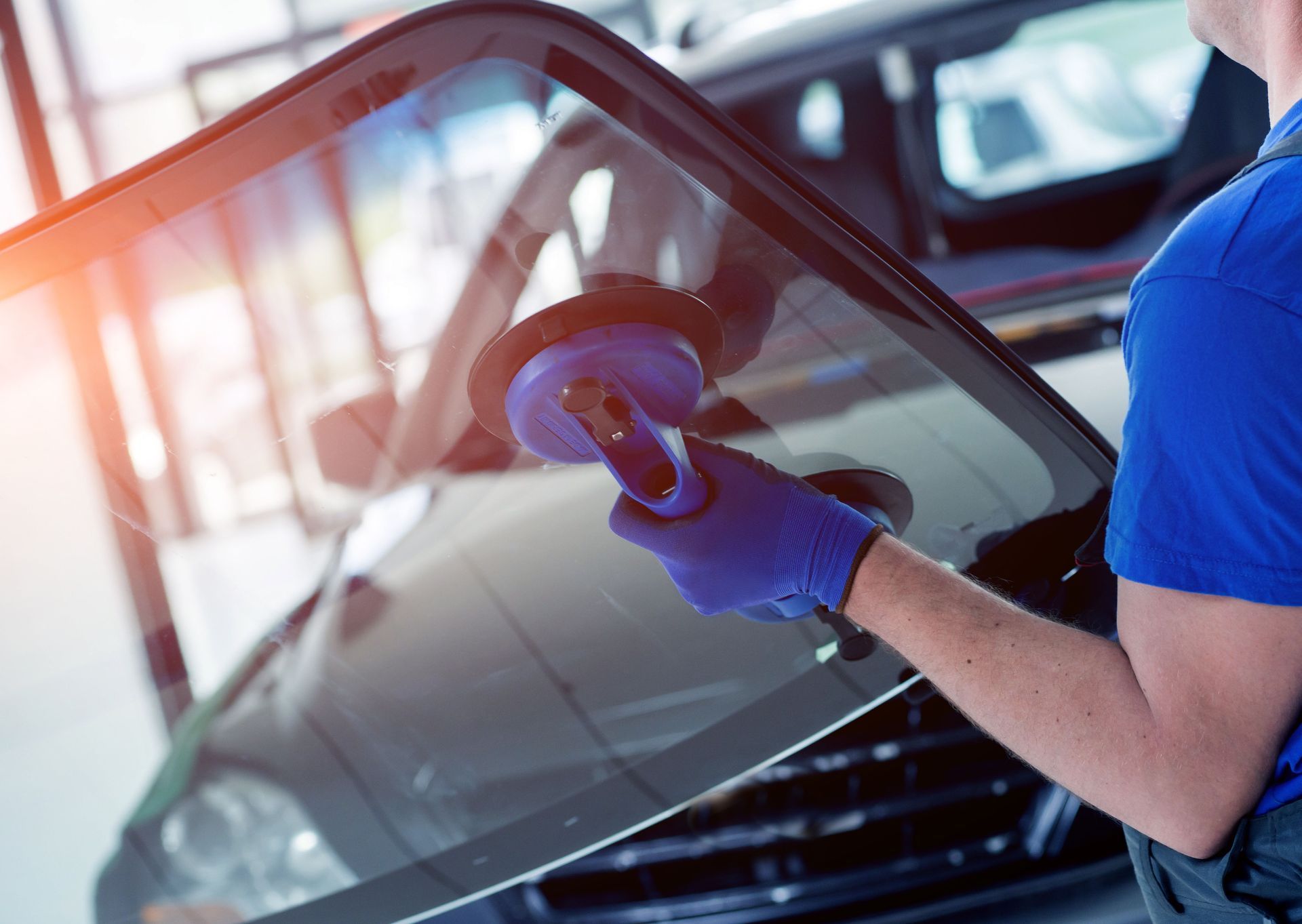
Technician familiarity represents another enormous operational advantage for vehicle owners who value fast turnarounds. Professional installers possess decades of combined experience cutting, prepping, aligning, and sealing conventional glass using standardized adhesives and reliable curing methods. Handling experimental next-gen substrates demands specialized shop tooling, proprietary bonding resins, and unproven installation techniques that drive up labor times. By relying on established installation standards, auto glass replacements proceed smoothly without forcing local repair shops to purchase expensive specialized jigs or re-train staff.
Everyday field maintenance remains simple and forgiving when operating vehicles fitted with standard glass designs. Routine stone chips or localized surface cracks can often be sealed quickly using optical resin injections, restoring structural strength within an hour. Next-gen materials, especially layered multi-material polymers, typically resist conventional resin injection, compelling technicians to scrap the entire component rather than perform a localized repair. Because standard panels accommodate simple cosmetic repairs, vehicle owners avoid total auto glass replacements whenever minor pebble strikes occur on the road.
Lowering Long-Term Ownership Expenses and Repair Invoices
Upfront pricing considerations heavily favor standard safety glazing over newly commercialized synthetic alternatives. Mature glass processing facilities operate with incredible thermal and mechanical efficiency, keeping unit manufacturing expenses remarkably modest. Developing synthetic materials involves costly polymer chemistry, specialized anti-scratch coatings, and expensive quality-control inspections that inflate the final purchase price for consumers. Consequently, vehicle manufacturers pass substantial savings on to consumers by retaining traditional window packages in their vehicle assemblies.
Insurance considerations further highlight the economic benefits of choosing time-tested vehicle glass configurations. Insurance carriers classify traditional components as low-risk items with predictable claims histories, allowing them to offer modest deductibles and competitive comprehensive coverage terms. When exotic experimental materials crack, insurers face inflated replacement invoices and scarce component availability, which eventually translates to steeper premium rates for motorists. The financial predictability of standard glass components simplifies claim approvals and keeps general vehicle ownership costs remarkably manageable.
Secondary market durability also bolsters long-term vehicle equity and prevents unnecessary fleet depreciation. Used car purchasers naturally shy away from pre-owned vehicles displaying hazy, scratched, or delaminating synthetic windows that demand specialized service work. In contrast, well-maintained conventional windows look crystal clear even after fifteen years of continuous exposure to harsh elements. By eliminating the frequent need for costly auto glass replacements, classic vehicle glazing protects household transportation budgets and preserves trade-in vehicle values over decades.
Championing Resource Conservation and Circular Recycling Practices
Environmental life-cycle analyses prove that traditional vehicle glass supports circular industrial manufacturing goals far more effectively than complex petroleum-based synthetics. Mineral glass relies on earth-abundant raw ingredients, primarily silica sand, soda ash, and limestone, rather than finite fossil fuel feedstocks. Melting cullet requires significantly lower temperatures than synthesizing complex petrochemical polymers, substantially trimming total energy usage across primary manufacturing plants.
These established production efficiencies align perfectly with global industrial carbon reduction mandates.
Industrial recycling networks handle conventional automotive glass cullet with remarkable consistency and efficiency. Laminated windshields are routinely stripped of their internal vinyl binding sheets, allowing clean glass cullet to enter secondary manufacturing streams for fiberglass insulation, industrial containers, or new building materials. Many next-gen composites blend dissimilar polymer layers that defy mechanical separation, ultimately condemning worn components to municipal landfills. The circular versatility of classic auto glass prevents immense amounts of industrial waste from accumulating across sensitive regional waste sites.
Choosing Reliable Glass Solutions for Modern Motoring Needs
While exotic materials capture headlines in automotive concept presentations, standard automotive glass continues to anchor the modern automotive market through unmatched durability, affordable maintenance, and exceptional occupant safety. When unexpected highway impacts leave you with cracked or shattered vehicle windows, choose proven durability over unvalidated alternatives. Trust the experienced specialists at Mobile Glass Pros to inspect your vehicle damage and deliver top-tier auto glass replacements that restore structural strength, precise optical clarity, and peace of mind on every journey. Reach out to Mobile Glass Pros today to schedule your mobile consultation, secure a prompt estimate, and get your vehicle safely back on the road.