By Cody Lacour
November 13, 2026
Window tinting is a practical vehicle upgrade that combines improved appearance with everyday comfort and protection. From reducing sunlight exposure to enhancing privacy, professionally installed auto tint offers several advantages for drivers and passengers. Understanding the available film types, installation procedures, and maintenance requirements can help vehicle owners make informed decisions. Whether your goal is to improve your car's appearance or maintain a cooler interior, selecting the appropriate window film can make a noticeable difference.
Understanding Automotive Window Tinting
Window tinting involves applying a thin, specialized film to a vehicle's glass surfaces. These films come in different shades, materials, and performance levels to accommodate individual preferences. Some primarily improve privacy, while others provide advanced protection against ultraviolet radiation and solar heat. Modern films are designed to complement various vehicle styles without significantly affecting outward visibility when properly selected.
Automotive tinting has evolved considerably since its introduction decades ago. Earlier products frequently experienced fading, bubbling, and discoloration. Today's advanced materials offer improved durability, consistent appearance, and better solar protection. Choosing quality auto tint can help drivers enjoy these improvements while maintaining their vehicle's original appearance.
Understanding Window Tinting Laws and Regulations
Before installing window film, vehicle owners should understand applicable state regulations. Tinting laws establish restrictions on visible light transmission, reflectivity, and permitted window coverage. These requirements often differ between front side windows, rear windows, and windshields. Some jurisdictions also impose additional restrictions on certain reflective or colored films.
Visible light transmission, commonly called VLT, measures the percentage of visible light passing through glass and film. Lower percentages indicate darker combinations. Professional installers can explain local requirements and recommend compliant products. Following these guidelines helps prevent citations, inspection problems, and unnecessary replacement expenses.
Improving Privacy and Vehicle Security
One appealing benefit of auto tint is the additional privacy it provides for drivers and passengers. Darker window films make it more difficult for people outside the vehicle to see personal belongings and interior details. This feature can be particularly useful when parking in crowded commercial areas or traveling through busy neighborhoods.
Although tinted windows cannot prevent theft, reduced interior visibility may discourage casual observation of valuables. Certain specialized films can also help retain broken glass fragments, depending on their construction and installation. However, ordinary window tint should not be considered a substitute for dedicated security glazing. Keeping valuable possessions out of sight remains an important precaution.
Protecting Against UV Rays and Excessive Heat
Prolonged sunlight exposure can gradually damage vehicle interiors, causing upholstery discoloration, dashboard deterioration, and premature material aging. Many quality window films reject substantial amounts of ultraviolet radiation, helping protect interior surfaces and vehicle occupants. Products with documented UV protection ratings provide an additional consideration when comparing available options.
Heat rejection is another significant advantage of auto tint, particularly in regions experiencing prolonged summer temperatures. Advanced films can reduce solar energy entering the cabin, improving comfort during daytime travel. Actual temperature differences depend on film specifications, vehicle construction, weather, and sunlight intensity. Reduced solar heat gain may also decrease air conditioning demand under certain driving conditions.
Reducing Glare and Enhancing Vehicle Appearance
Sunlight reflecting from pavement, nearby vehicles, and surrounding buildings can create uncomfortable driving conditions. Properly selected window film reduces excessive brightness and may improve visual comfort during sunny weather. However, excessively dark films can compromise nighttime visibility, making appropriate shade selection essential.
Beyond practical advantages, tinted windows create a more coordinated exterior appearance. Drivers can select subtle shades that complement factory glass or darker finishes where legally permitted. Matching film characteristics across different windows produces a consistent, polished result. This customization allows vehicle owners to enhance their personal style without making extensive exterior modifications. According to Gitnux, 62% of U.S. window tinting customers are aged 25-44, primarily urban millennials seeking vehicle customization.
Exploring Different Types of Window Tint Films
Several film technologies are available, each offering different advantages. Dyed films are generally affordable and provide basic privacy and glare reduction. However, lower-quality products may fade or discolor after extended sunlight exposure. Metalized films incorporate metallic particles that reflect solar energy and improve durability, although certain products may interfere with electronic signals.
Carbon films offer a distinctive appearance and useful heat rejection without relying on metallic construction. Ceramic films use advanced particles to manage solar energy while maintaining electronic signal compatibility. High-performance ceramic products often provide excellent UV protection and infrared rejection, although individual specifications vary.
Hybrid films combine different technologies to balance cost, appearance, and performance. When comparing auto tint options, drivers should evaluate manufacturer specifications, warranty coverage, heat rejection measurements, and installation costs rather than relying exclusively on film darkness.
Preparing for the Window Tint Installation Process
Successful installation begins with careful preparation. Technicians inspect the vehicle's glass for existing film, scratches, contamination, and other conditions that could affect adhesion. Windows are thoroughly cleaned to remove dust, grease, and residue before application begins. Existing tint may require professional removal to establish a suitable installation surface.
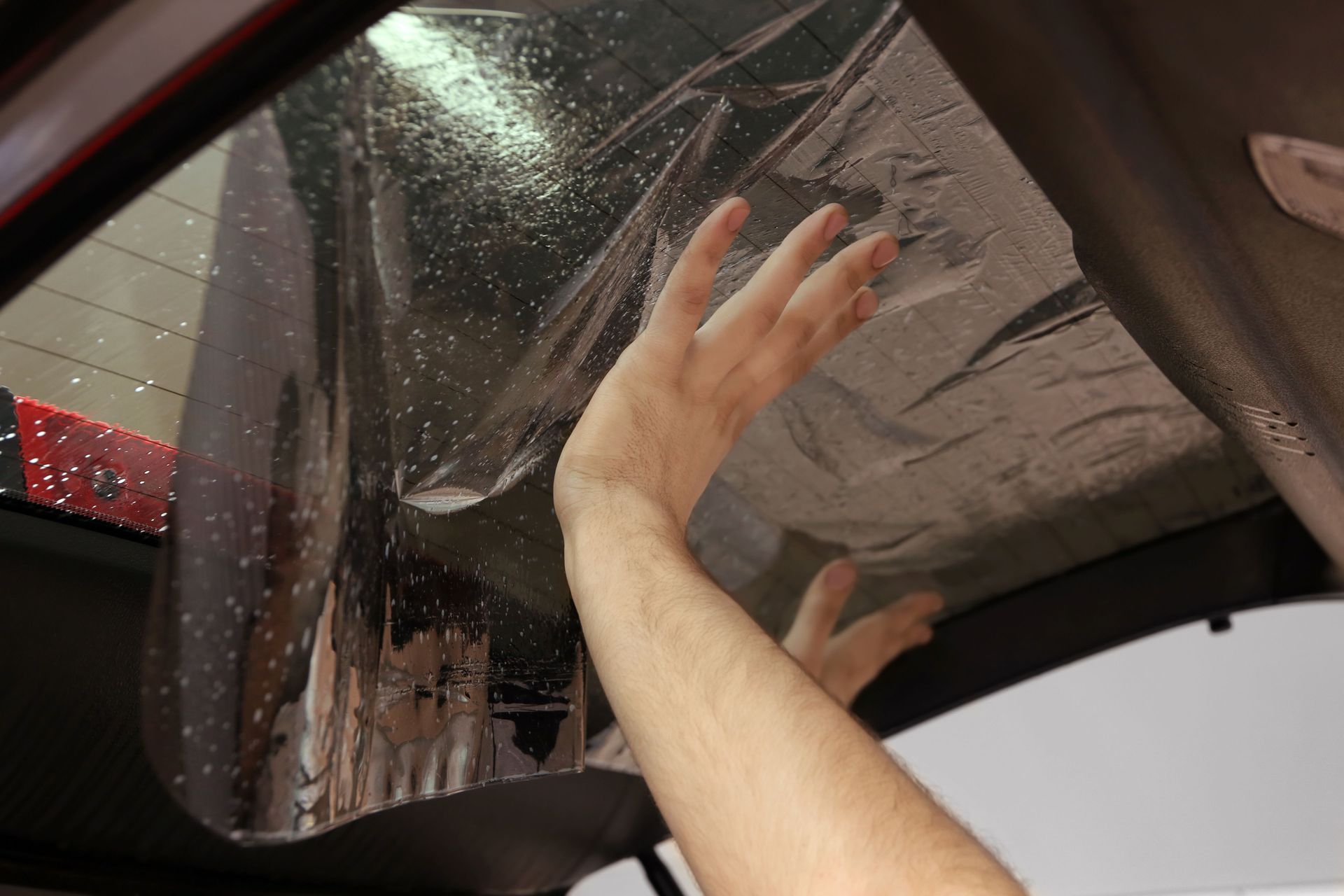
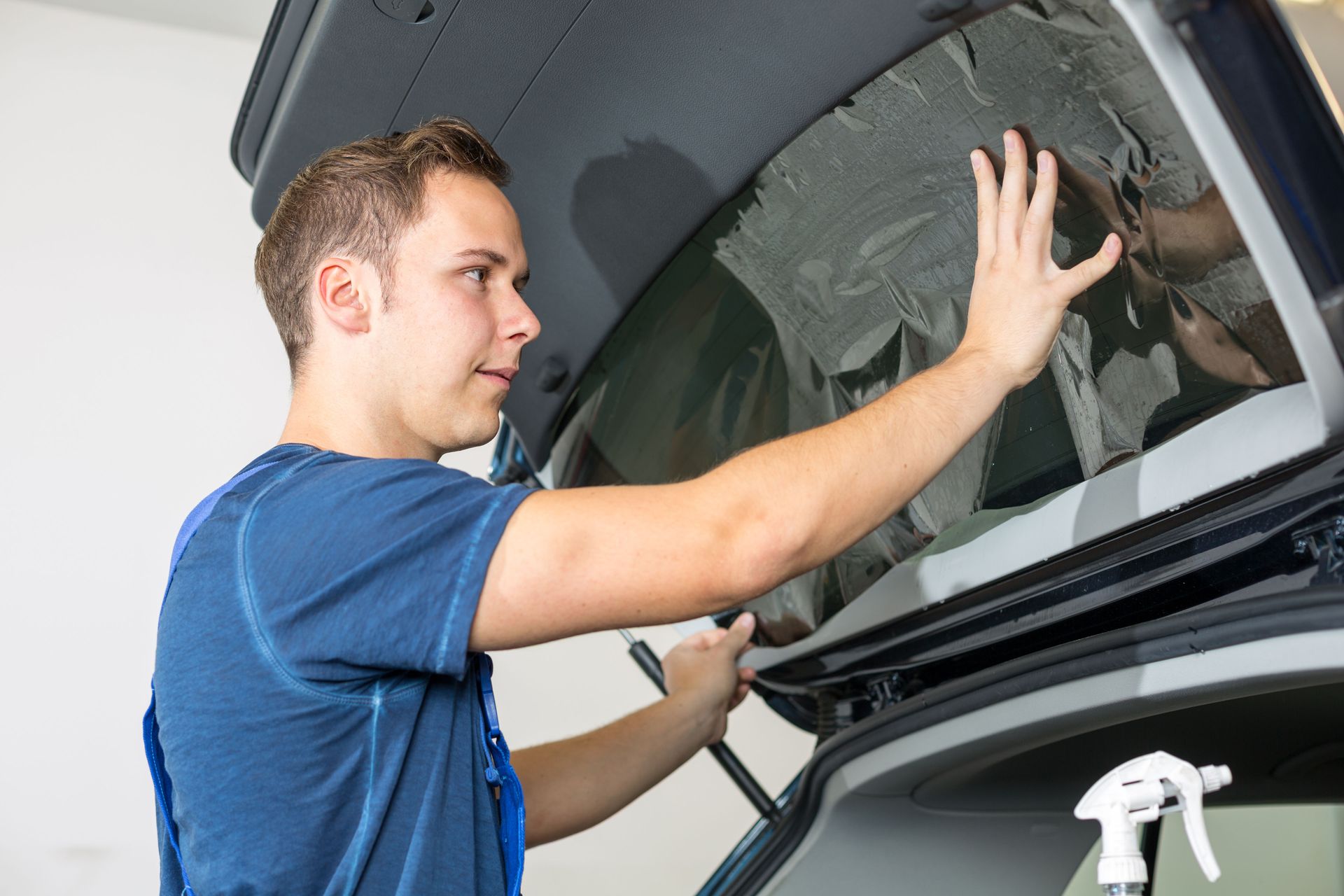
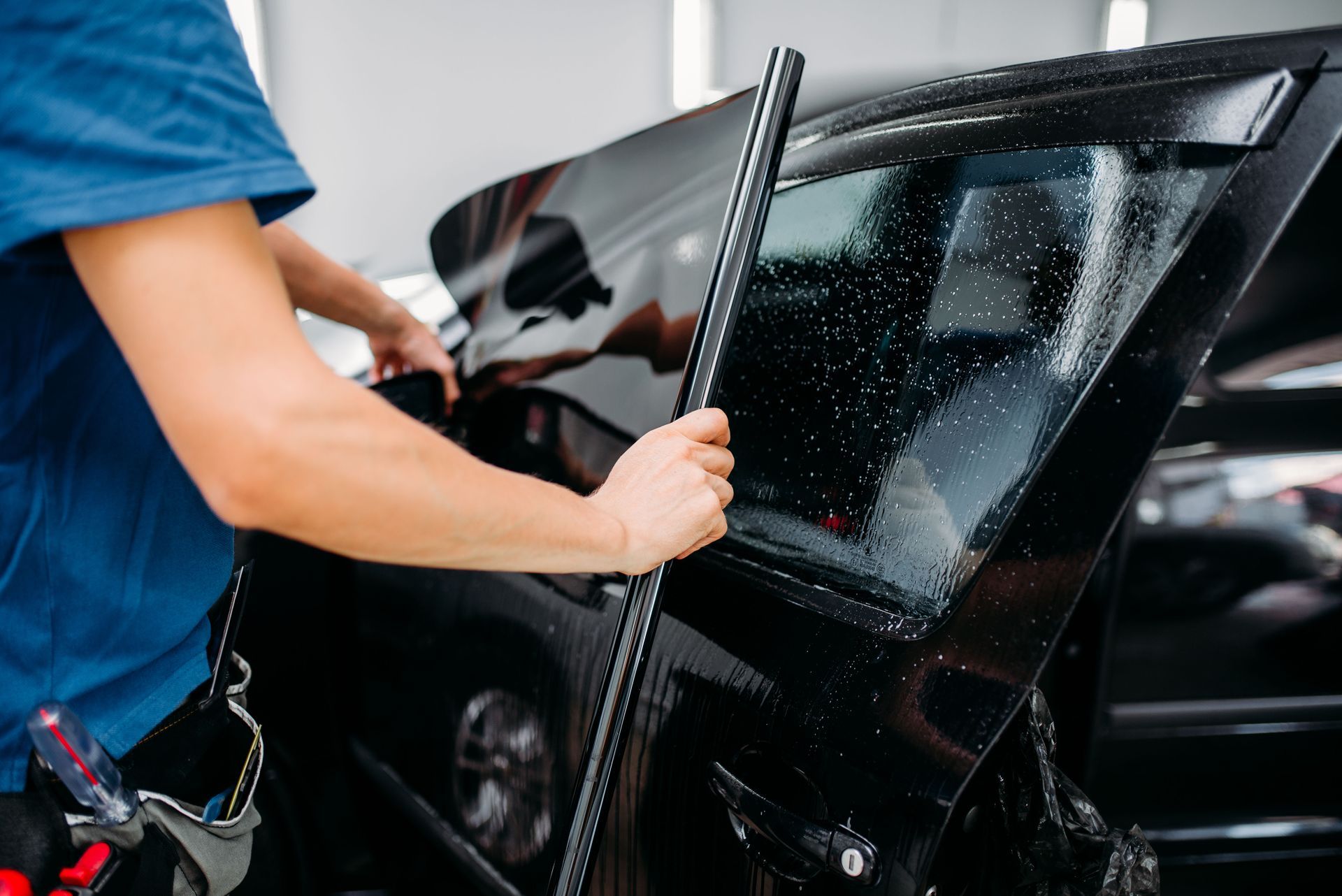
Installers then measure and prepare film sections for each window. Computerized cutting equipment or precise manual techniques help achieve accurate dimensions. The film is positioned using an application solution, allowing adjustments before the adhesive sets. Specialized squeegees remove excess moisture and trapped air, while controlled heat helps shape film around curved glass.
Professional installation environments minimize airborne contamination and support consistent results. Experienced technicians also take precautions around sensitive electronics, seals, and interior components. Proper preparation reduces the likelihood of wrinkles, peeling edges, and visible imperfections.
Comparing DIY and Professional Tint Installation
Vehicle owners sometimes consider installing window film themselves to reduce upfront expenses. DIY kits offer affordability and flexibility, particularly for individuals comfortable working with automotive accessories. However, successful application requires patience, specialized tools, accurate cutting, and careful surface preparation.
Complex window shapes, curved rear glass, and tight seals can make installation especially challenging. Mistakes may result in trapped debris, creases, poor adhesion, or wasted materials. Professional auto tint installation typically provides access to experienced technicians, established application procedures, and product warranties.
When comparing costs, consider more than the initial installation price. Film quality, vehicle size, window complexity, and warranty provisions influence overall value. A professionally completed application may reduce the likelihood of premature replacement and additional labor expenses.
Maintaining Tinted Windows for Long-Term Performance
Proper maintenance begins immediately after installation. Freshly applied film requires time for remaining moisture to evaporate and adhesive bonds to stabilize. Drivers should follow their installer's instructions regarding when to lower windows and clean interior glass surfaces. Curing periods vary depending on film construction, temperature, and humidity.
Once curing is complete, clean tinted windows using soft microfiber cloths and film-compatible cleaning solutions. Avoid abrasive materials, sharp tools, and cleaning products that could damage the coating or adhesive. Gentle cleaning helps preserve clarity and appearance while reducing unnecessary surface wear.
Small moisture pockets or temporary haziness may disappear during normal curing. However, persistent bubbles, peeling edges, or significant discoloration may indicate installation defects or aging materials. Consulting a qualified technician is preferable to attempting repairs with sharp objects or uncontrolled heat.
Automotive window tinting offers a combination of privacy, solar protection, comfort, and visual customization. Selecting appropriate materials and working with qualified installers can improve long-term satisfaction. With thoughtful product selection and consistent maintenance, drivers can enjoy attractive windows and practical benefits throughout everyday vehicle use. Contact Mobile Glass Pros today and learn more about our auto tinting services.